Music has long been a cornerstone of the entertainment industry, serving as both an emotional driver and a massive business force. In recent years, the fusion of music and gaming has opened exciting new doors for engagement, creativity, and revenue generation. The global Game Music Market, valued at $1.2 billion in 2024, is projected to grow exponentially, reaching $2.5 billion by 2033, with a CAGR of 9.2% from 2026 to 2033. This rapid growth signals the increasing importance of audio experiences in games, where music is no longer just a backdrop—it’s a key player in building immersive, culturally resonant gaming worlds.
Music’s Expanding Role in the Gaming Industry
Music in gaming has evolved beyond simple background loops to fully orchestrated soundtracks and major multimedia collaborations. Titles like Rainbow Six Siege have gone so far as to develop their own custom soundtracks to match the game’s evolving tone and seasonal content. For instance, acclaimed composer Henry Jackman, known for scoring films like Captain America: The Winter Soldier, contributed a track to the latest version of the game, bringing cinematic depth to the gameplay experience.
Additionally, in-game concerts have become a cultural phenomenon. Travis Scott’s Astronomical event in Fortnite drew over 27 million players, showcasing the massive potential of music-driven gaming events. These moments blur the line between traditional music experiences and interactive digital engagement, inspiring a wave of innovation across the industry.
This convergence has not gone unnoticed by emerging developers. Gaming companies like Jili Games have begun incorporating music more strategically, leveraging sound as a key tool to engage and attract new audiences globally.
Who Are Jili Games?
Jili Games is a rising name in the world of online gaming, known for creating high-quality, innovative slot and arcade-style games that break traditional molds. With a reputation for vibrant visuals, fast-paced mechanics, and smart feature design, Jili is quickly becoming a go-to name in digital casino and casual gaming spaces. Players frequently ask, “which Jili game is most?”—a testament to the brand’s growing library of standout titles, each bringing something fresh to the table. Beyond gameplay mechanics, what sets Jili apart is its willingness to adapt and experiment with cultural elements like music to forge deeper connections with players worldwide.
5 Ways Jili Incorporates Music to Reach New Audiences
1. Thematic Music-Driven Game Design
Jili integrates original music compositions tailored to the themes of their games. Whether it’s a mystical slot with Eastern influences or a futuristic sci-fi arcade shooter, the music is composed to enhance immersion and reflect the narrative tone. This attention to musical storytelling helps Jili resonate with a global audience, especially younger players who are highly responsive to multimedia-rich content.
2. Collaborations with Music Artists
Jili has started partnering with up-and-coming DJs and music producers to feature exclusive tracks within select games. These collaborations not only offer a unique gaming experience but also tap into the artists’ existing fanbases. By embedding fresh, trending sounds directly into gameplay, Jili effectively bridges the gap between gaming and the modern music scene.
3. Event-Based Music Features
Inspired by larger industry events like Fortnite’s concerts, Jili has experimented with limited-time, music-themed in-game events. These include rhythm-based mini-games, music festival themes in slot games, and special audio-driven bonus rounds. These temporary features create buzz and urgency, encouraging players to log in and experience something new and culturally relevant.
4. Localized Soundtracks for Global Markets
Understanding the importance of cultural context, Jili tailors its musical elements based on regional preferences. Games launched in Southeast Asia may feature traditional instruments blended with electronic beats, while those in Latin America may carry vibrant, percussion-heavy rhythms. This localization ensures that players feel represented and understood, deepening their connection to the brand.
5. Social Media and Cross-Platform Music Integration
Jili promotes its music strategies across platforms like YouTube, TikTok, and Instagram.
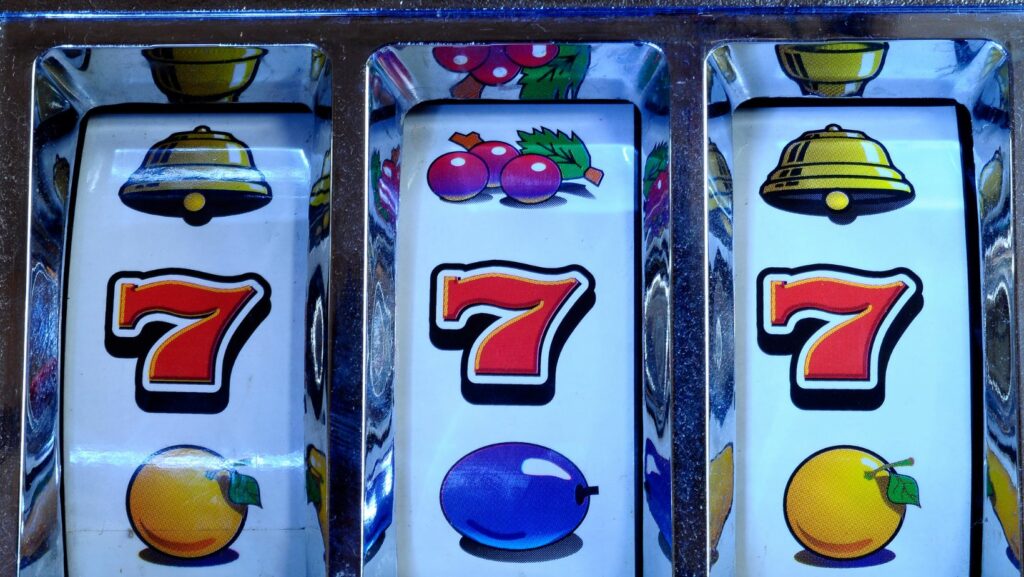
They release behind-the-scenes footage of music production, teaser clips of new soundtracks, and even let players remix in-game music through social challenges. This strategy turns passive players into active brand ambassadors, extending Jili’s reach into music-driven digital communities.
Conclusion: A Sound Strategy for Growth
As the game music market continues to boom, companies that embrace music as a core part of their strategy are best positioned for success. Jili Games is carving a unique niche by combining innovative gameplay with dynamic musical experiences tailored for modern audiences. Whether through themed compositions, artist collaborations, or global sound diversity, Jili is proving that music isn’t just an add-on—it’s a powerful tool for engagement.
By placing music at the heart of its user experience, Jili is not only enriching gameplay but also unlocking new avenues for audience growth in an increasingly competitive market. For more on how music is used in different formats, check out our Classical page.