The 1960s was a vibrant decade that shook the music world like a lava lamp on a bumpy ride. Pop music exploded with fresh sounds and daring styles that had everyone dancing, even if their moves resembled a confused chicken. From the catchy tunes of The Beatles to the soulful vibes of Motown, this era redefined what it meant to be a pop star and left a lasting impact on music lovers everywhere.
As artists pushed boundaries and experimented with new genres, they created an unforgettable soundtrack for a generation. The 60s wasn’t just about the music; it was about the culture, the rebellion, and the sheer joy of letting loose. So grab your bell bottoms and prepare for a groovy journey through the fascinating world of 60s pop music—where every note tells a story and every song is a time capsule of fun.
Overview of Pop Music in the 60s
Pop music in the 1960s represented a dynamic shift in sound and culture. This decade introduced a fusion of genres, blending rock, folk, soul, and R&B. The emergence of The Beatles in 1964 marked a turning point, capturing the hearts of millions with their innovative melodies and harmonies. Not only did they dominate the charts, but their influence extended to fashion and youth culture, shaping the era’s identity.
Motown played a crucial role, showcasing artists like Marvin Gaye and The Supremes. This label revolutionized pop with its signature sound characterized by catchy melodies and rich instrumentation. The Motown movement brought African American artists into the mainstream, enhancing racial integration in music and popular culture.
Folk music also gained traction during this period, driven by artists like Bob Dylan and Joan Baez. Their lyrics often addressed social issues, resonating with a generation seeking change. The intertwining of political activism and music created an anthem of rebellion that defined the era.
Teen idol culture emerged as another facet of the 60s pop scene, featuring stars like Bobby Vee and Lesley Gore. Their hits appealed to a young audience eager for relatable themes of love and heartbreak. This aspect of pop music emphasized the importance of youth experience, connecting deeply with listeners.
The 1960s laid the groundwork for future decades by embracing experimentation and diversity. Genres melded and blurred lines, pushing boundaries and inspiring countless artists. The cultural significance of this era continues to resonate, making it a pivotal chapter in the history of pop music.
Key Influences on the 60s Pop Music
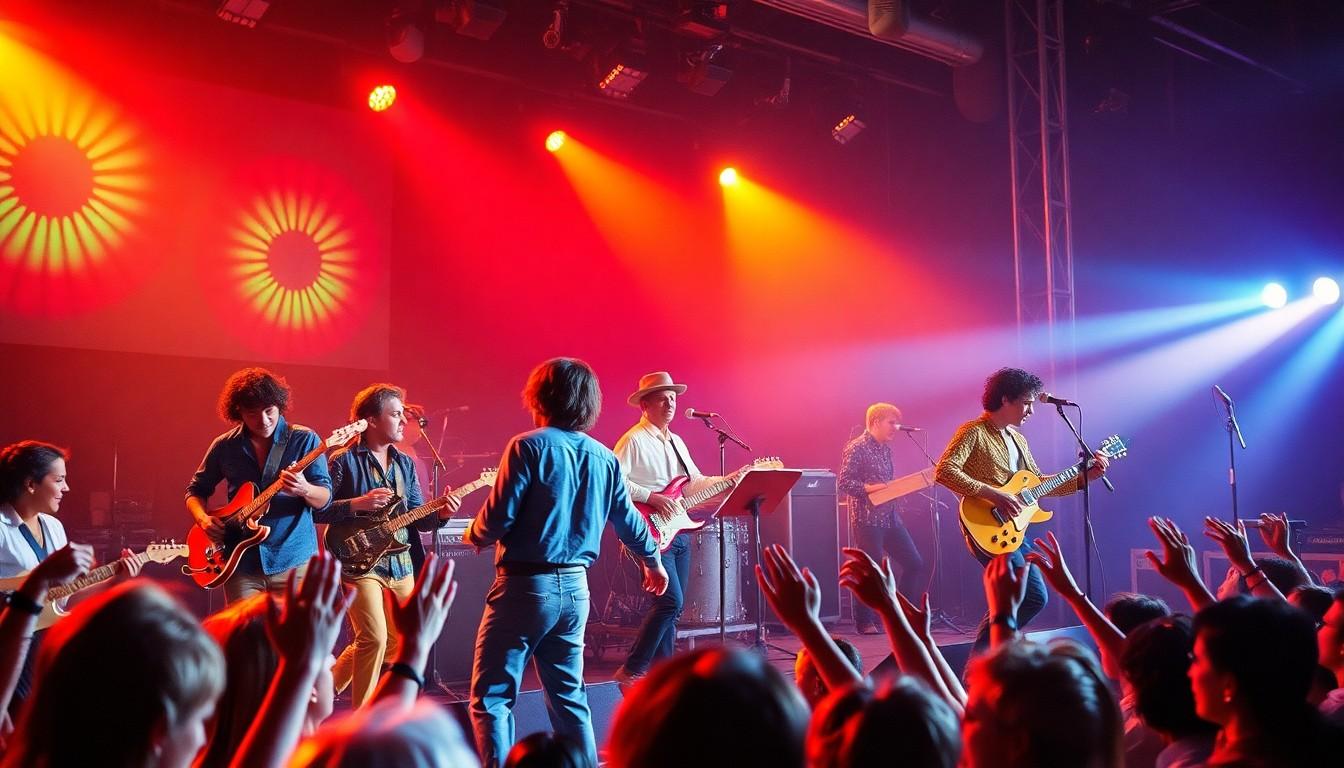
The 1960s saw significant influences shaping the pop music landscape. Cultural movements and technological advancements played central roles in this transformation.
Cultural Shifts
Social changes greatly impacted pop music during the 60s. The civil rights movement inspired artists to use their platforms for advocacy. As a result, musicians like Marvin Gaye and Nina Simone blended social commentary with catchy melodies. Furthermore, counterculture movements fostered experimentation in lyrical themes and styles. Psychedelic rock emerged, driven by the quest for new experiences. Folk music also gained prominence, with politically charged songs from Bob Dylan echoing the desires of a generation. Youth culture thrived, leading to a focus on themes relevant to teen experiences, love, and rebellion.
Technological Advances
Innovations in music technology transformed how pop music reached audiences. The introduction of multi-track recording allowed artists to experiment with complex arrangements. This capability enabled The Beatles to create groundbreaking albums like “Sgt. Pepper’s Lonely Hearts Club Band.” Additionally, the rise of FM radio provided clearer sound quality and broader playlists, exposing listeners to diverse genres. The influence of television also amplified artists’ visibility, with shows like “American Bandstand” showcasing up-and-coming talent. As a result, these technological developments shaped the sound and distribution of pop music, marking a defining shift in the industry.
Iconic Artists and Bands
The 1960s featured groundbreaking artists and bands that shaped pop music’s identity. These musicians pioneered new sounds and influenced cultures across generations.
The Beatles
The Beatles emerged in 1964 and revolutionized the music scene. Comprising John Lennon, Paul McCartney, George Harrison, and Ringo Starr, they blended rock and pop in innovative ways. Their catchy melodies and harmonies set them apart. “Love Me Do” marked their first hit, capturing the hearts of millions. With “Sgt. Pepper’s Lonely Hearts Club Band,” they pushed artistic boundaries, integrating studio techniques and diverse influences. The Beatles also became cultural icons, influencing fashion and lifestyle during the British Invasion. Their impact on the music industry remains unmatched, paving the way for future artists. Through their evolution, they inspired creativity and experimentation in the genre.
The Supremes
The Supremes stood at the forefront of the Motown movement, redefining pop music. Formed in 1959, the trio included Diana Ross, Mary Wilson, and Florence Ballard. Their sleek style and polished performances captivated audiences. Hits like “Stop! In the Name of Love” and “You Can’t Hurry Love” showcased their vocal prowess. The Supremes gained prominence as they topped charts, often becoming the first African American female group to achieve mainstream success. Their influence extended beyond music as they shaped fashion and beauty standards. The Supremes played a vital role in bridging racial gaps in music, leaving an enduring legacy that resonates today.
Major Hits and Albums
The 1960s produced a wealth of memorable songs and albums that shaped the course of pop music. Iconic artists defined the sound of the decade, creating a lasting impact on culture and music.
Chart-Topping Singles
“Hey Jude” by The Beatles topped charts in 1968, showcasing the band’s lyrical depth and innovation. “I Heard It Through the Grapevine” by Marvin Gaye, released in 1968, demonstrated Motown’s ability to deliver powerful emotion. In 1965, The Supremes’ “You Can’t Hurry Love” highlighted their catchy melodies and polished sound. “California Dreamin'” by The Mamas and The Papas, released in 1965, captured the spirit of the era with its folk-rock fusion. These singles exemplified the diversity of the decade, resonating with audiences across various demographics.
Landmark Albums
“Sgt. Pepper’s Lonely Hearts Club Band,” released by The Beatles in 1967, revolutionized the album format with its conceptual approach. “What’s Going On” by Marvin Gaye showcased socially conscious themes in 1971, although it remains deeply rooted in the 60s musical landscape. The Beach Boys’ “Pet Sounds,” released in 1966, influenced future generations with its complex harmonies and innovative production. “The Supremes A’ Go-Go,” released in 1966, marked the first album by a female group to reach number one on the Billboard chart. These landmark albums set the standard for artistic expression and experimentation in pop music.
The Evolution of Pop Music Throughout the Decade
Pop music in the 1960s experienced significant transformations that reshaped its sound and cultural presence. The emergence of The Beatles in 1964 represented a pivotal moment. Comprised of John Lennon, Paul McCartney, George Harrison, and Ringo Starr, they dominated the charts with innovative compositions like “Love Me Do” and “A Day in the Life.” Together, they inspired a generation, blending rock and pop in unprecedented ways.
Motown’s influence spotlighted artists such as The Supremes. Comprising Diana Ross, Mary Wilson, and Florence Ballard, they showcased polished performances with hits like “Stop! In the Name of Love.” Their cultural impact bridged racial divides and established new beauty standards. In parallel, the folk movement surged with artists like Bob Dylan and Joan Baez, whose socially conscious lyrics resonated with youth striving for change.
Social and cultural movements directly influenced pop music’s evolution. The civil rights movement prompted artists to merge social themes with catchy melodies, as seen in Marvin Gaye’s impactful tracks. Counterculture encouraged exploration of new lyrical themes, giving rise to psychedelic rock and politically charged folk music. Technological advancements, like multi-track recording, enhanced production quality and expanded musical possibilities.
Iconic singles and albums defined the 1960s pop landscape. Major hits included “Hey Jude” by The Beatles, “I Heard It Through the Grapevine” by Marvin Gaye, and “You Can’t Hurry Love” by The Supremes. Landmark albums such as “Sgt. Pepper’s Lonely Hearts Club Band” and “What’s Going On” set new artistic standards. Collectively, the experimentation and diversity of the 1960s laid a strong foundation for the evolution of pop music in subsequent decades.
The 1960s remain a cornerstone in the evolution of pop music. This decade not only introduced groundbreaking sounds and styles but also reflected the cultural shifts of the time. Artists like The Beatles and Motown legends reshaped the musical landscape while addressing social issues through their lyrics.
The influence of this era continues to resonate today. The experimentation and creativity that defined the 60s paved the way for future generations of musicians. As listeners revisit this vibrant period, they’re reminded of the power of music to inspire change and unite diverse audiences. The legacy of 60s pop music is a testament to its lasting impact on culture and the arts.